
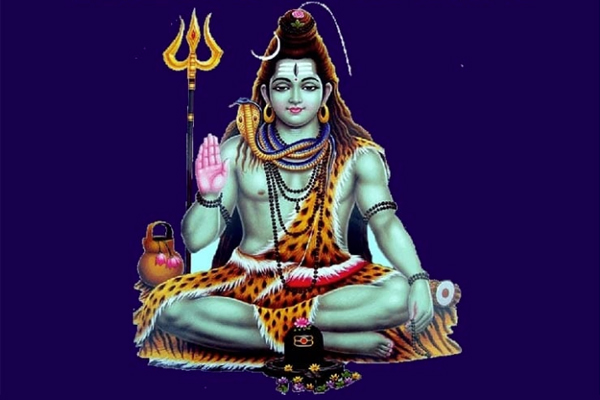
Maha Shivratri 2026: Mahashivratri is one of the most profound and spiritually powerful festivals of Hinduism. Celebrated on the Chaturdashi tithi (14th day) of the Krishna Paksha (waning moon phase) of the month of Phalguna (usually February-March), the festival holds deep mythological, philosophical, yogic, and astrological significance. Unlike many festivals associated with joy or prosperity, Mahashivratri is a night of introspection, awakening, overcoming darkness (ignorance), and seeking liberation.
This year, Mahashivratri will be celebrated on February 15, 2026 (Sunday).
Mythological Significance
Several major legends explain its origin and reverence:
The Divine Marriage of Shiva and Parvati
It commemorates the marriage of Lord Shiva (the ascetic destroyer and transformer) and Goddess Parvati (Shakti/Energy). This union symbolizes the perfect balance between consciousness (Shiva) and energy (Shakti), masculine and feminine principles, stillness and motion – essential for creation and harmony in the universe.
Shiva’s Tandava Dance
Shiva performed his cosmic dance of bliss (Tandava) on this night, representing the cyclical nature of creation, preservation, destruction, and renewal.
Appearance as a Jyotirlinga
In one legend, Brahma and Vishnu disputed supremacy. Shiva appeared as an infinite pillar of light (Jyotirlinga) with no beginning or end, symbolizing his formless, eternal form that is beyond qualities.
Other Events
Some traditions associate it with Shiva drinking poison to save the world during the churning of the ocean, or with his becoming absolutely still like Mount Kailash.
These stories highlight themes of devotion, balance, and transcendence.
Spiritual and Yogic Significance
Mahashivratri is particularly revered in yogic traditions (as explained, for example, by Sadhguru of the Isha Foundation and others):
Natural Energy Surge
On this night, a natural physical and energetic surge occurs in the Northern Hemisphere (where India is located), making meditation, sadhana (spiritual practice), and staying awake (jagaran) far more effective—often described as 100 times more powerful than on normal days.
Victory over Darkness and Ignorance
The “darkest night” (just before the new moon) symbolizes the victory of light (knowledge, awareness) over tamas (ignorance, inertia). It reminds us to overcome inner darkness—ego, attachment, and delusion—and move towards moksha (liberation).
Union of the Individual and the Divine
Shiva represents pure consciousness (“that which is not”—the basis of existence) and unity. This festival reminds devotees: “Shivoham” (I am Shiva)—you are not separate from God. It promotes the realization of Brahman (the ultimate truth) and harmony between the material and spiritual worlds.
Mind Control and Peace
The waning moon symbolizes the waning mind (chandra-manaso jaata). Intensive meditation on this night helps eliminate mental fluctuations (a-manaska state), leading to liberation from maya (illusion).
For the Seekers
It is ideal for ascetics (peace), householders (family harmony through devotion), and ambitious people (inner strength). It provides a powerful opportunity for awakening, forgiveness of sins, and spiritual growth.
Astrological and Scientific Perspectives
Planetary positions create favorable conditions for chakra activation, energy flow, and increased intuition.
Staying awake aligns with natural cosmic rhythms for maximum benefit.
In essence, Mahashivratri is not just a ritualistic celebration—it is a profound invitation to inner transformation, devotion, and realization of one’s divine nature through the grace of Shiva. Devotees believe that sincere worship, fasting, and staying awake all night on this night can lead to absolution of past sins, fulfillment of desires, and ultimate liberation.