
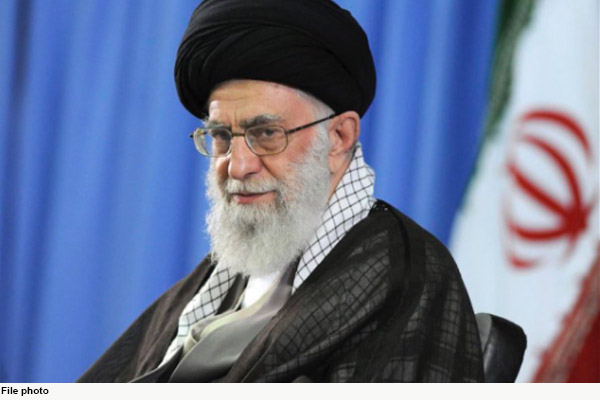
US-Israel-Iran War: Iran’s Supreme Leader, Ayatollah Ali Khamenei, died on February 28. This incident occurred following US and Israeli attacks that targeted key locations across the country. According to a CNBC report, Khamenei’s assassination has forced the country’s leadership to immediately elect a new Supreme Leader.
86-year-old Supreme Leader Khamenei ruled Tehran for 36 years before being killed in attacks on his compound in Tehran. His death sent shockwaves through the Shia community worldwide. Iran has observed 40 days of mourning.
How is Iran’s Supreme Leader appointed?
According to a CNBC report, according to the Iranian Constitution, Iran’s Supreme Leader is appointed by the Assembly of Experts. This is an 88-member clerical body elected by the general public every eight years. All candidates for the Assembly must first obtain approval from the Guardian Council, which strictly controls who is allowed to run for office.
Once a vacancy occurs, the Assembly begins deliberations and chooses a successor by simple majority vote. However, in the meantime, a provisional three-member Leadership Council is formed, which assumes the Supreme Leader’s duties until a replacement or successor is finally appointed.
It is worth noting that while the Leadership Council’s authority is only temporary during a transition, the Assembly of Experts is the only body with the constitutional authority to select the country’s next Supreme Leader.
Main Contenders for Iran’s Supreme Leader
Here is a list of some of the main contenders for Iran’s next Supreme Leader:
Gholam-Hossein Mohseni-Eje’i
Mohseni-Eje’i, who has been Chief Justice since 2021, heads Iran’s judiciary and plays a key role in shaping the country’s legal framework. Before serving as Chief Justice, Mohseni-Eje’i was Prosecutor-General from 2009 to 2014 and First Deputy Head and Spokesperson of the Judiciary from 2014 to 2021. Over the years, he has also held senior security positions, including serving as the Intelligence Minister from 2005 to 2009.
Hassan Khomeini
According to the Council on Foreign Relations, Khomeini, the grandson of the Islamic Republic’s founder, Ayatollah Ruhollah Khomeini, could potentially serve as a bridge between the revolutionary system and those with reformist views.
The Council on Foreign Relations suggested that promoting someone like Hassan Khomeini could help secure the Islamic Republic’s core structure, reduce Iran’s international isolation, and respond to growing public discontent in the country.
Alireza Arafi
Arafi is a senior cleric and influential figure in the Islamic Republic, having risen through the clerical system with key appointments such as director of Iran’s seminaries, leader of Friday prayers in Qom, and member of both the Guardian Council and the Assembly of Experts, the bodies constitutionally tasked with selecting the Supreme Leader.
Arafi has emerged as an influential figure in Iran’s clerical system, particularly through his supervision of religious seminaries and his involvement in vetting political candidates.
What’s next for Iran?
According to media reports, under Article 111 of the Iranian Constitution, if the Supreme Leader dies or becomes incapable of performing his duties, a Temporary Leadership Council is immediately formed to exercise his powers until a successor is elected.
On March 1, Iranian President Masoud Pezeshkian announced in a televised speech that the Interim Leadership Council had been formed and had begun its work. Along with President Pezeshkian, the Interim Leadership Council includes Gholam Hossein Mohseni Eje’i and Ayatollah Ali Reza Arafi.
Foreign Minister Abbas Araghchi said that a decision on the country’s next Supreme Leader is expected in the coming days.
Although the Iranian Constitution does not set a deadline for appointing a new leader for the Assembly of Experts, it does state that the Assembly should function “as quickly as possible.”
Iran vows to avenge Khamenei’s death
Hours after Iranian media confirmed Khamenei’s death, President Pezeshkian vowed that the country would avenge his death, calling it a “declaration of war against Muslims.”
Pezeshkian said in a statement that it was the Islamic Republic’s right and responsibility to avenge Khamenei’s assassination. He added, “The Islamic Republic of Iran considers it its legal duty and right to take revenge on the perpetrators and masterminds of this historic crime.”
(With agency inputs)