
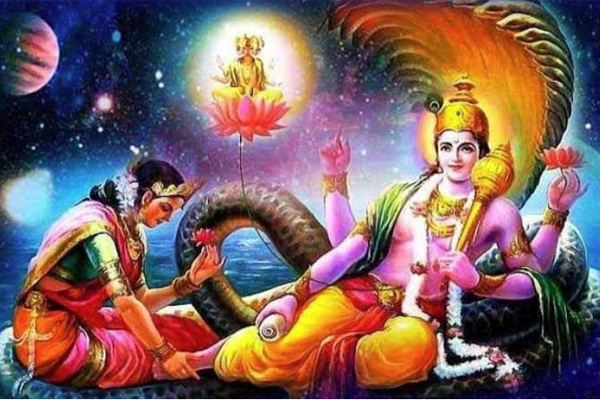
Dev Uthani Ekadashi (also known as Prabodhini Ekadashi or Dev Utthana Ekadashi) is one of the most auspicious Hindu festivals, marking the end of Lord Vishnu’s four-month cosmic sleep (Chaturmas) and the beginning of the wedding and festive season in India.
Here’s a complete explanation
Meaning of Dev Uthani Ekadashi
“Dev Uthani” means ‘the awakening of the Gods’.
“Ekadashi” means the 11th day of the lunar fortnight.
According to Hindu belief, Lord Vishnu goes into a deep sleep (Yoga Nidra) on Dev Shayani Ekadashi (June/July) and wakes up on Dev Uthani Ekadashi (October/November).
During these four months (called Chaturmas), auspicious activities like marriages, engagements, and major religious rituals are suspended.
Dev Uthani Ekadashi marks the resumption of all auspicious and religious ceremonies — including the symbolic Tulsi–Shaligram Vivah (the wedding of Goddess Tulsi and Lord Vishnu).
Date & Time of Dev Uthani Ekadashi
Ekadashi Tithi Begins: November 1, 2025 – 09:11 AM
Ekadashi Tithi Ends: November 2, 2025 – 07:31 AM
Parana Time (Fast Ending): After 07:31 AM on November 2
Best Puja Muhurat: 08:00 AM – 10:30 AM, November 1
(Dates may vary slightly by location and local sunrise/sunset times.)
Religious Significance
It symbolizes the awakening of divine energy in the universe.
From this day onward, all auspicious work like marriages, engagements, housewarmings, and pilgrimages can be resumed.
It also emphasizes spiritual awakening — a reminder for humans to rise from ignorance and renew faith.
Major Rituals
Fasting and Prayer
Devotees observe Ekadashi fast, abstaining from grains, rice, and heavy food.
They worship Lord Vishnu and Goddess Lakshmi with tulsi leaves, incense, diyas, and bhajans.
Tulsi Vivah
On this day, devotees perform a symbolic wedding ceremony of Tulsi (Holy Basil) with Lord Vishnu (in the form of Shaligram).
This marks the start of the Hindu marriage season.
Dev Uthani Ritual
A symbolic act of waking up Lord Vishnu:
Devotees sing bhajans like “Utho Deva Utho” (Wake up, O Lord).
Offer flowers, sweets, and conch-shell sounds to signify awakening.
Spiritual Message
Vishnu’s awakening represents the revival of righteousness and balance in the world.
It teaches that spiritual growth is cyclical — rest (introspection) followed by awakening (action).
The day inspires devotees to renew discipline, compassion, and devotion in their lives.
Celebrations Across India
North India (UP, Bihar, Rajasthan)
Tulsi Vivah is celebrated in temples and homes with rituals and decorations.
Maharashtra & Gujarat
Known as Dev Uthani Gyaras — people build decorative clay beds for Lord Vishnu.
South India
Devotees observe Utthana Dwadashi with fasting and Vishnu puja.
Vrindavan & Mathura
Major temples host grand celebrations, symbolizing the divine union of Tulsi and Vishnu.
Traditional Wishes
“May Lord Vishnu awaken happiness, prosperity, and peace in your life this Dev Uthani Ekadashi.”
“On Dev Uthani Ekadashi, let’s awaken devotion and do good deeds as the gods awaken.”
“Happy Dev Uthani Ekadashi — may your life be filled with divine light and renewed energy.”
Mantra:
Om Namo Bhagavate Vasudevaya
Vishnu Sahasranama is also recited for blessings.